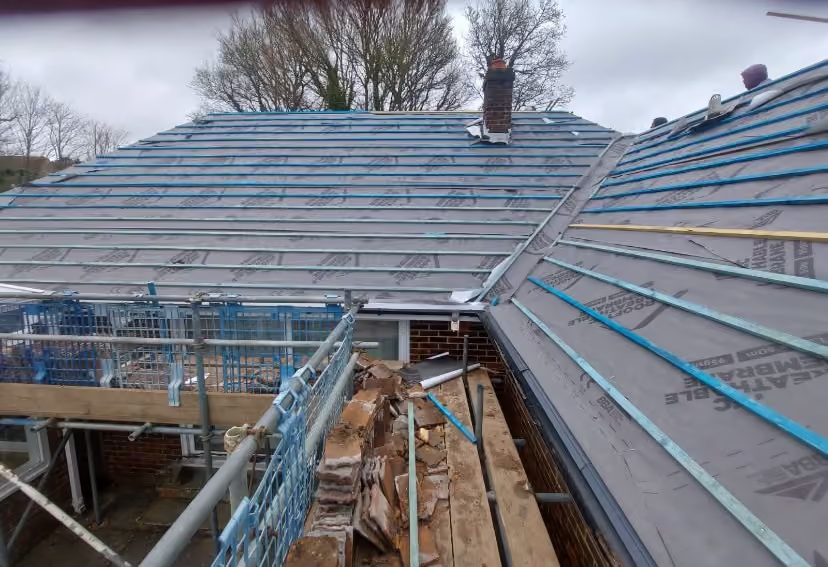
GRP fibreglass flat roofs
GRP is glass reinforced plastic, the same stuff as a boat hull. It goes on wet over a timber deck and cures into one solid sheet with no joins in it.
What is a GRP roof?
A GRP roof is a flat roof covered in glass reinforced plastic, also called fibreglass. Glass matting is laid over a plywood deck and soaked through with resin, then a topcoat is rolled over it. It cures into one seamless sheet. There are no laps and no seams for water to get under.
The same material makes boat hulls and car body panels. On a roof it is bonded to the deck rather than laid loose on it, so wind cannot get under an edge and lift it.
Seamless sheet against lapped sheet
A lapped covering is made of separate sheets overlapped and bonded where they meet. Every lap is a join, and a join is where a covering normally fails first. The bigger the roof, the more laps it has.
GRP has none. The matting and resin run unbroken across the whole roof and up every upstand, so the roof and its edges are one piece. Edge trims are bonded in rather than nailed through the covering.
What GRP needs from the deck
GRP is only as good as what sits under it. It goes onto a clean, dry, well fixed deck, normally 18mm plywood, with the boards screwed down and every joint supported.
A deck that moves will crack the cured sheet in time. That is why a GRP job starts by stripping the old covering off and replacing soft boards, rather than going over the top of them.
Where GRP suits, and where it does not
It suits garage roofs, extension roofs, dormer tops, porches and balconies, because the cured surface is hard and takes being walked on.
It is a poor choice in cold or wet weather, because resin needs a dry deck and a working temperature to cure properly. It is also unforgiving of a deck that moves. On an old roof that is staying put a while, another covering may be the sensible answer, and we will say so.
Where this work is covered
We fit GRP out of Surrey and cover Crawley, Brighton, Horsham, Reigate, Redhill and Dorking. Anything outside that list, ring and ask.
Estate housing in Crawley is full of garage and extension flat roofs, built to the same size and reaching the same age together.
How the job goes
What happens when we do your grp roofs
-
 01
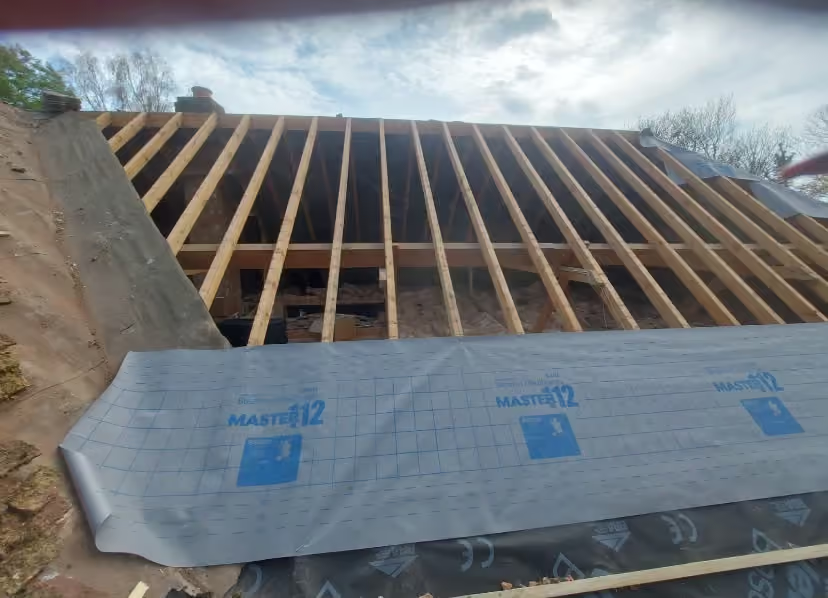
01Strip to the deck
The old covering comes off. GRP is bonded to the deck, so it cannot go over felt, chippings or anything loose.
-
 02
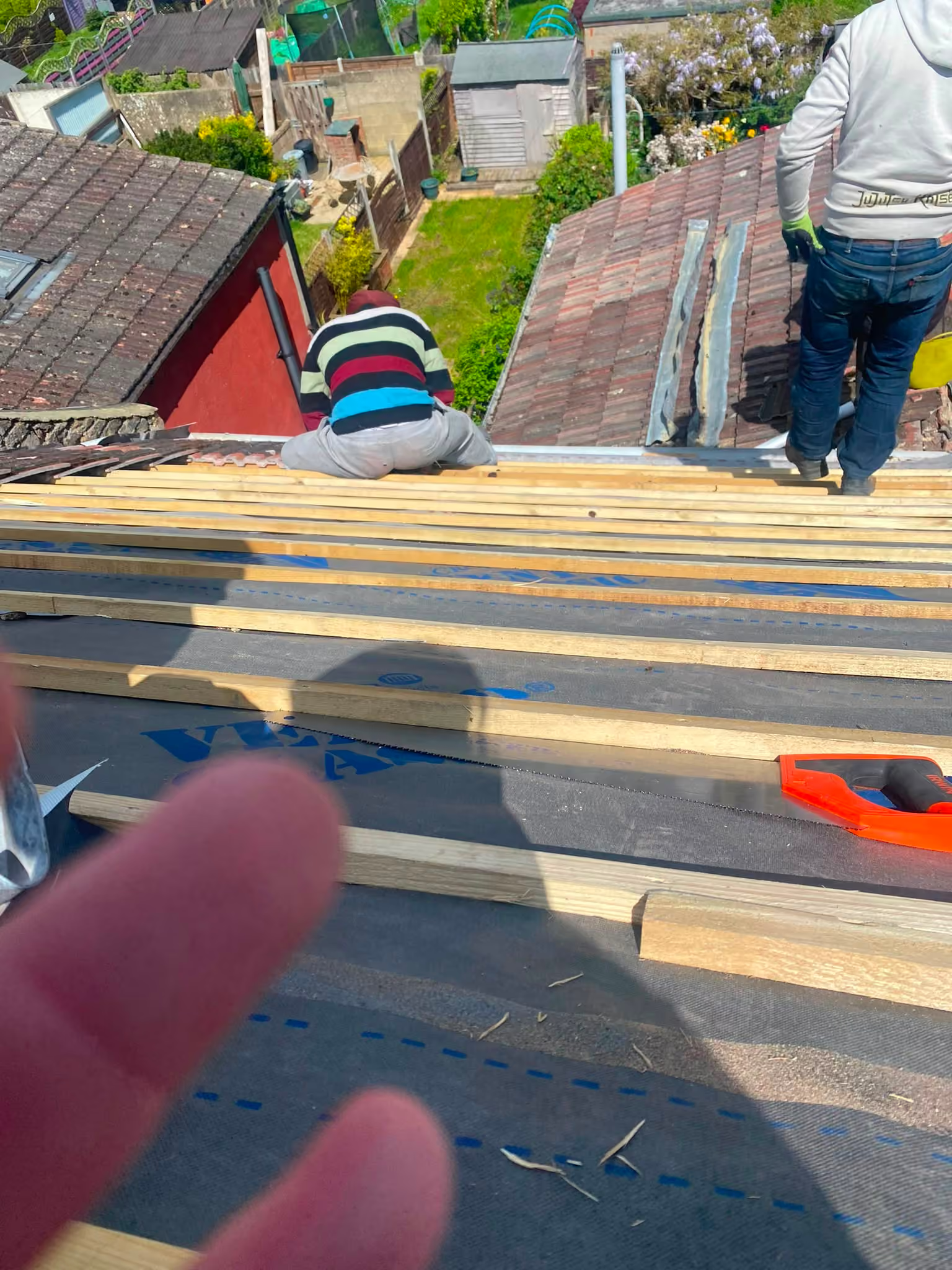
02Fix and dry the deck
Soft or springy boards are replaced and the whole deck is screwed down tight. It has to be dry before any resin touches it.
-
 03
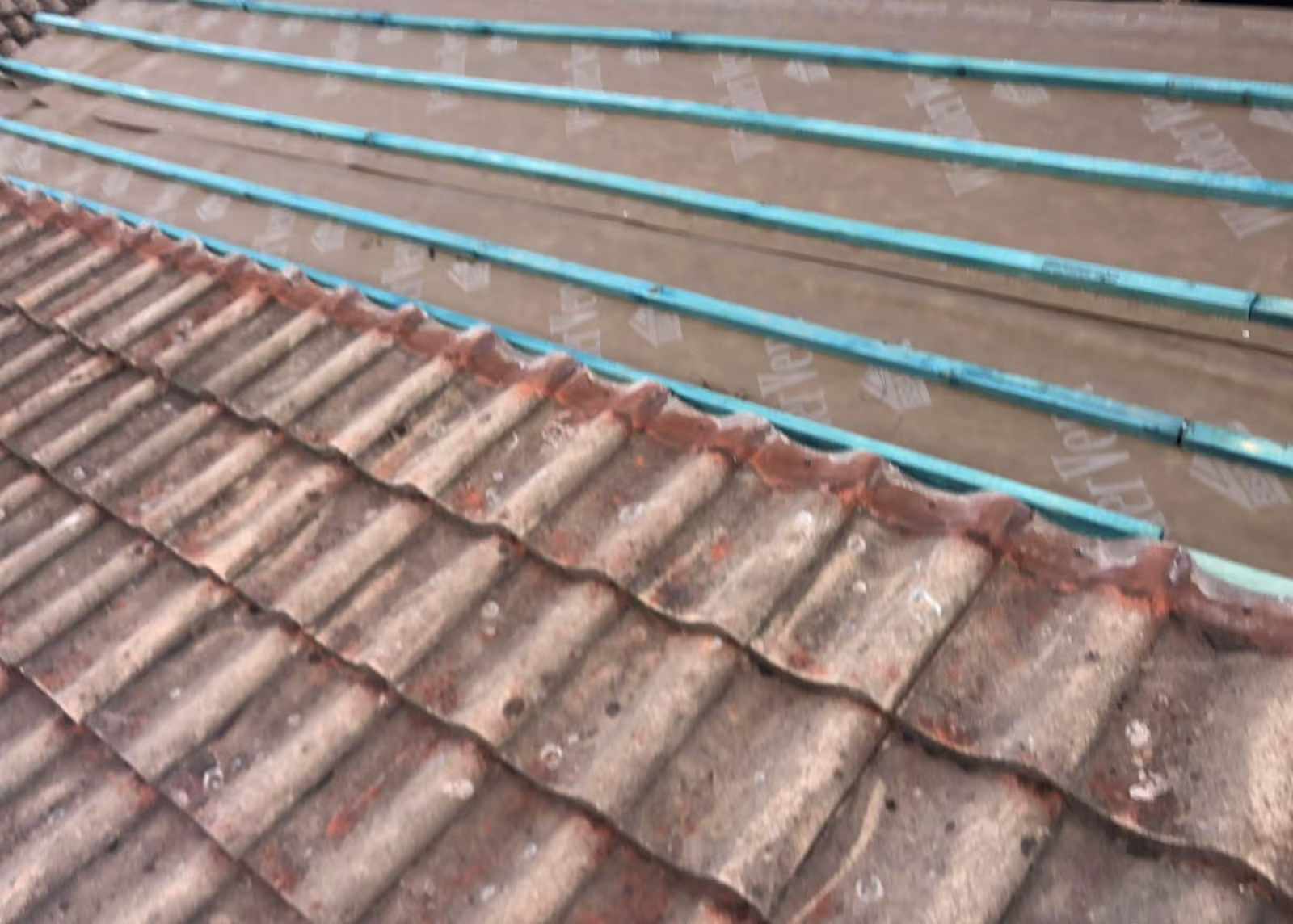
03Trims first
Edge trims go on round the perimeter and at every upstand. The sheet is then bonded over them, so the edge becomes part of the covering.
-
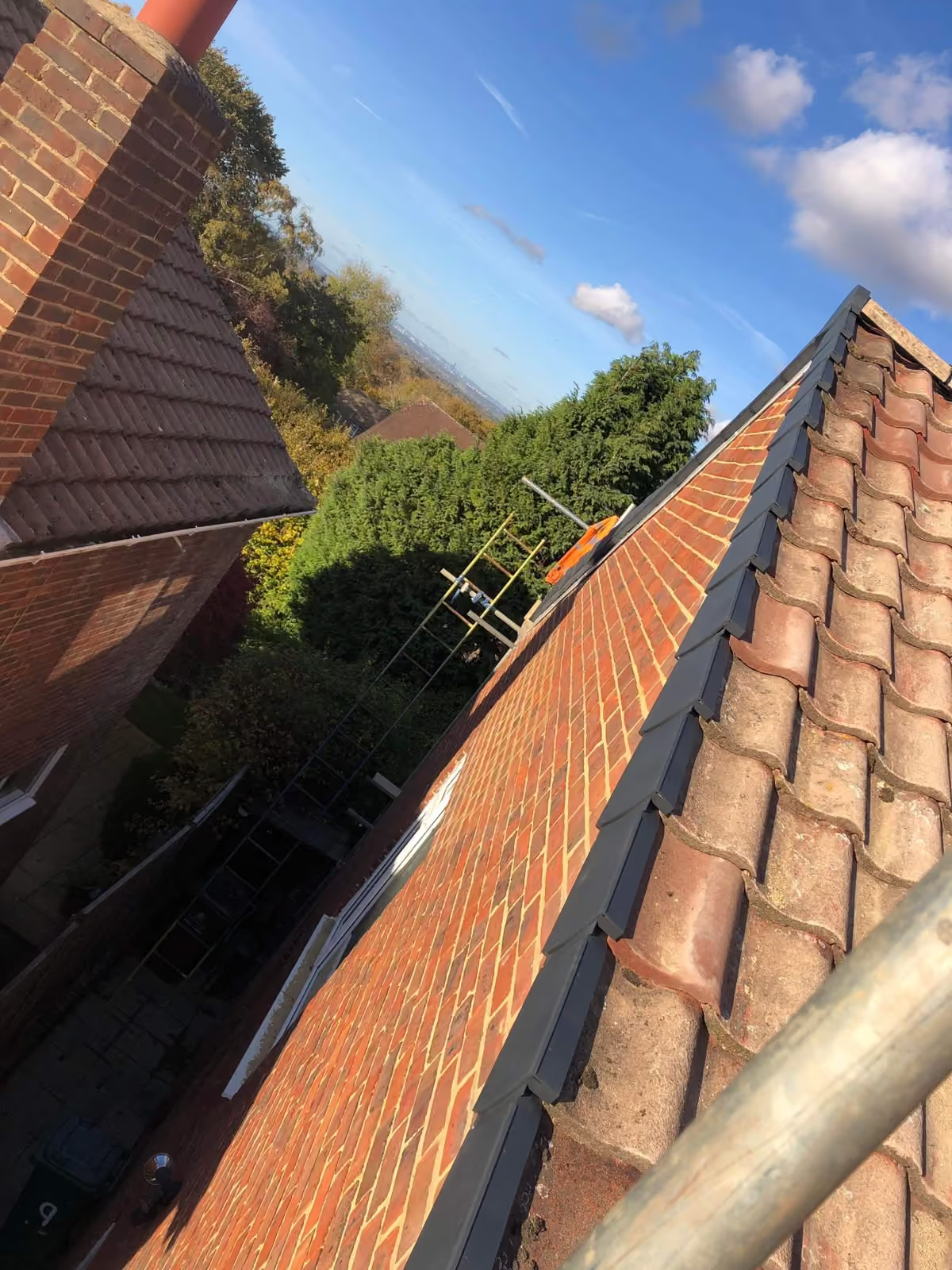 04
04Matting and resin
Glass matting is laid out and rolled through with resin until it is fully wetted and free of trapped air. It is done in one go where the roof allows.
-
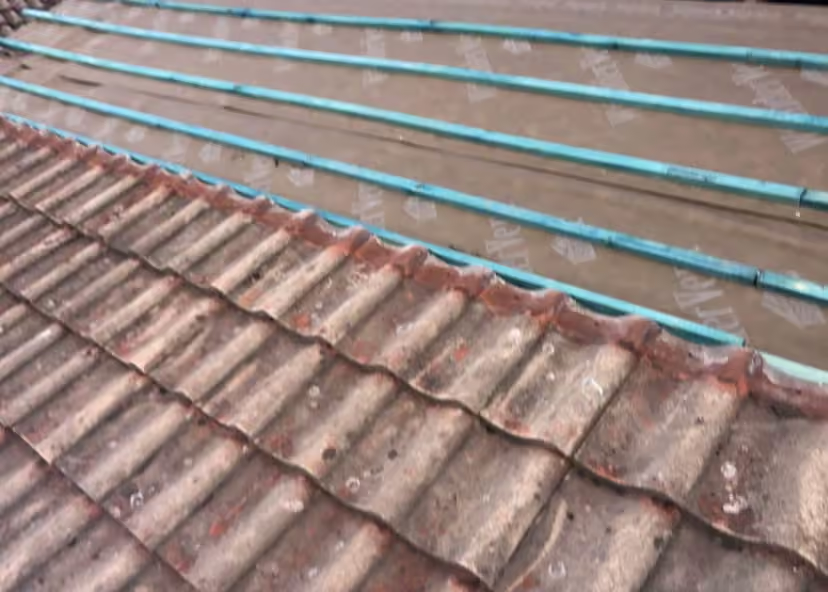 05
05Topcoat
A coloured topcoat is rolled over the cured sheet. That is the wearing surface, and it is the part you see.
Common questions
- Is GRP the same as fibreglass?
- Yes. GRP stands for glass reinforced plastic, and fibreglass is the everyday name for the same material. A GRP roof, a fibreglass flat roof and a GRP roofing system all mean the same covering.
- Can GRP go straight over my old flat roof?
- No. GRP has to bond to a clean dry deck, so whatever is on there now comes off first. Anything laid over an old covering is stuck to that covering, not to the roof, and it will lift with it.
- Can you walk on a GRP roof?
- Yes, more safely than on most flat coverings. The cured surface is hard and does not dent or scuff the way a soft covering does. For a balcony or a roof in regular use, a non slip finish goes into the topcoat.
- Can a GRP roof be repaired if it gets damaged?
- Yes. A cut, a gouge or an impact crack is ground back, re-matted and topcoated, and the repair fuses into the original sheet. There is no lap running away from it, so the repair stops where the damage stops.
- Does a GRP roof need looking after?
- Very little, but not nothing. Keep the outlet clear so water can leave. Moss and grit hold damp on the surface. The topcoat is the wearing layer, and on a roof that gets walked on it can be recoated without touching the sheet underneath.
Roofing advice on this
Plain answers to the questions we get asked most about this work, written before you ask us for a price.
Get an estimate
Tell us what the roof is doing
Estimates and advice are free. Ring and describe the problem, or send a photograph of it, and you will get a straight answer about whether it needs a repair or a new roof.
All work guaranteed.
Want us to take a look at the roof?
Leave a name and a number and we will ring back to sort a time. Estimates and advice are free.